Cyber-Informed Engineering for Refineries: Where Process Safety and OT Security Meet
Refineries already run on layers of protection. CIE asks one more question of each layer: would it still work if the control system were working against you?
By Timothy Porritt · Porritt Inc. · November 21, 2026
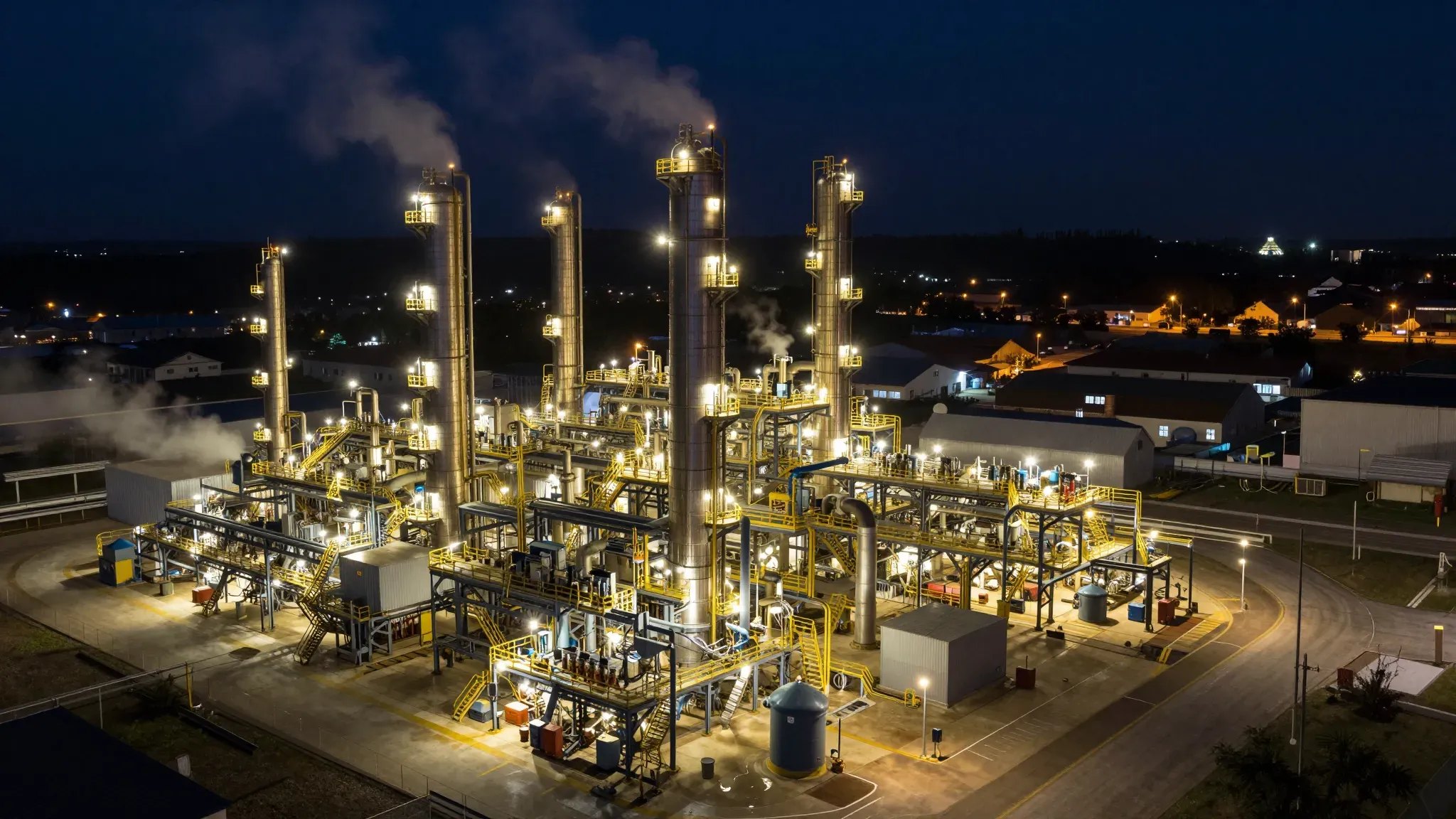
A refinery is one of the better-prepared places to adopt Cyber-Informed Engineering. The site already has hazard analyses, independent protection layers, relief systems sized for worst-case scenarios, and a management-of-change process. What is usually missing is one assumption: that the digital layers might fail together, deliberately.
The Gap in Conventional Analysis
Layer of Protection Analysis credits safeguards as independent, each with its own probability of failure. That works for random hardware faults. It does not hold if the basic process control system and the safety instrumented system can be reached from the same engineering workstation, or share a network, a vendor remote-access path, or a time server. An adversary does not fail safeguards at random.
The 2017 malware attack on a petrochemical plant’s safety instrumented system made this concrete. The target was the layer the PHA relies on when everything else has failed.
Where to Look First
- Safety instrumented system independence. Separate hardware, separate network, controlled engineering access, and a physical key switch that prevents program changes during operation.
- Fired heaters and boilers. Burner management is a classic case for hardwired trips on flame failure and low fuel pressure in addition to programmable logic.
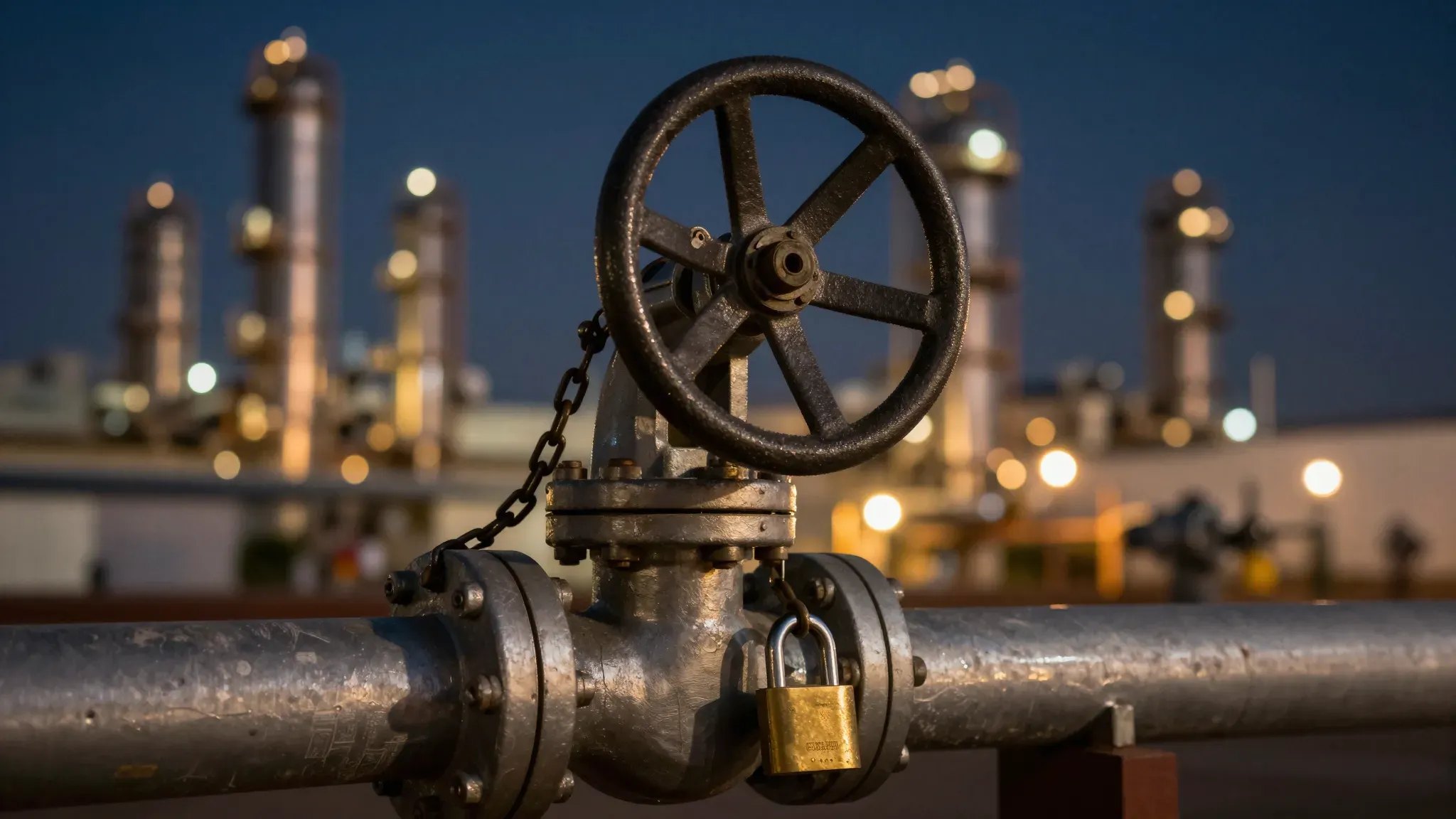
- Compressors and rotating equipment. Independent mechanical or electronic overspeed protection and anti-surge protection that does not depend solely on the main control system.
- Overpressure. Relief devices are the model engineered control: they do not take commands. Confirm that scenarios created by control system action, such as all feed valves open and all outlets closed, are within the relief design basis.
- Tank overfill. An independent high-level device with its own alarm or shutoff, separate from the gauging system used for inventory.
- Reactive units. Where a runaway is possible, emergency depressuring or quench that can be initiated by hardwired means.
- Remote and vendor access. Analyzer shelters, machinery monitoring, and licensed-unit support links are common paths into the control network.
Fold It Into Existing Work Processes
CIE does not need a new program. It fits the ones the refinery already has:
- PHA and LOPA. Add a question for each high-consequence scenario: which safeguards share a digital dependency, and is there one that does not? See the Process Hazard Analysis Guide.
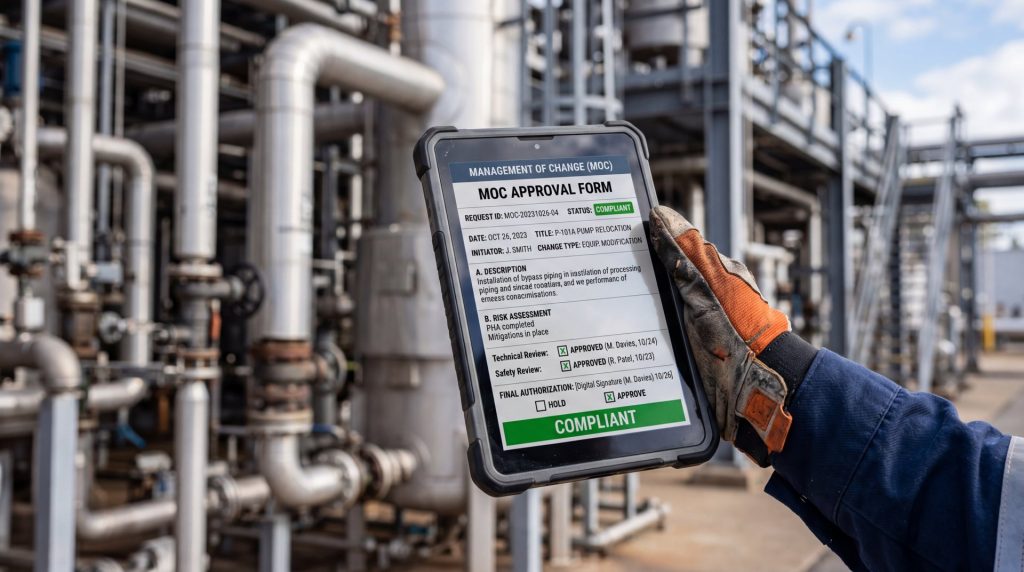
- Management of change. Treat control system, network, and remote-access changes as changes to the process.
- Mechanical integrity. Proof-test hardwired trips and manual modes on a schedule, the same as any other safeguard.
- Turnarounds. Schedule physical modifications, such as adding a hardwired trip, with the outage.
- Operator training. Practice running and shutting down the unit with the console unavailable.
What It Costs
Most findings from a first review are inexpensive: clamp a setpoint range, disable an unused remote function, restore a hand switch, enforce the key switch. A smaller number call for hardware, and those compete for capital like any other risk-reduction project, with the advantage that an engineered control does not need patching or a subscription.
Why It Matters
Refineries are digitizing quickly: advanced control, remote operations centers, cloud-connected monitoring. Each adds value and each widens what a compromised system could command. Deciding now which consequences get a non-digital backstop keeps that modernization from quietly eroding the independence the safety case depends on.
For the method see What Is Cyber-Informed Engineering? and the CIE Implementation Checklist.
Related reading
- CIE vs. IEC 62443: How Cyber-Informed Engineering Relates to the OT Security Standard
- What Is Cyber-Informed Engineering? A Plain-Language Guide for Engineers
- The INL CIE Framework Explained: The 12 Principles in Working Terms
- A Cyber-Informed Engineering Implementation Checklist for Plant and Utility Teams
Timothy Porritt is founder of Porritt Inc., building AI-powered tools for process safety, engineering compliance, and industrial operations. Based in Salt Lake City, Utah. Contact: timothy@porrittinc.com.