Cruise & passenger vessels
A floating city of thousands: propulsion, power generation, potable water, waste treatment, galley refrigeration, and hotel-load HVAC — every system competing for the same megawatts. One supervisory layer arbitrates it all, cuts fuel burn, and gives the engineering department a single pane of glass from bridge to bilge.
Naval platforms
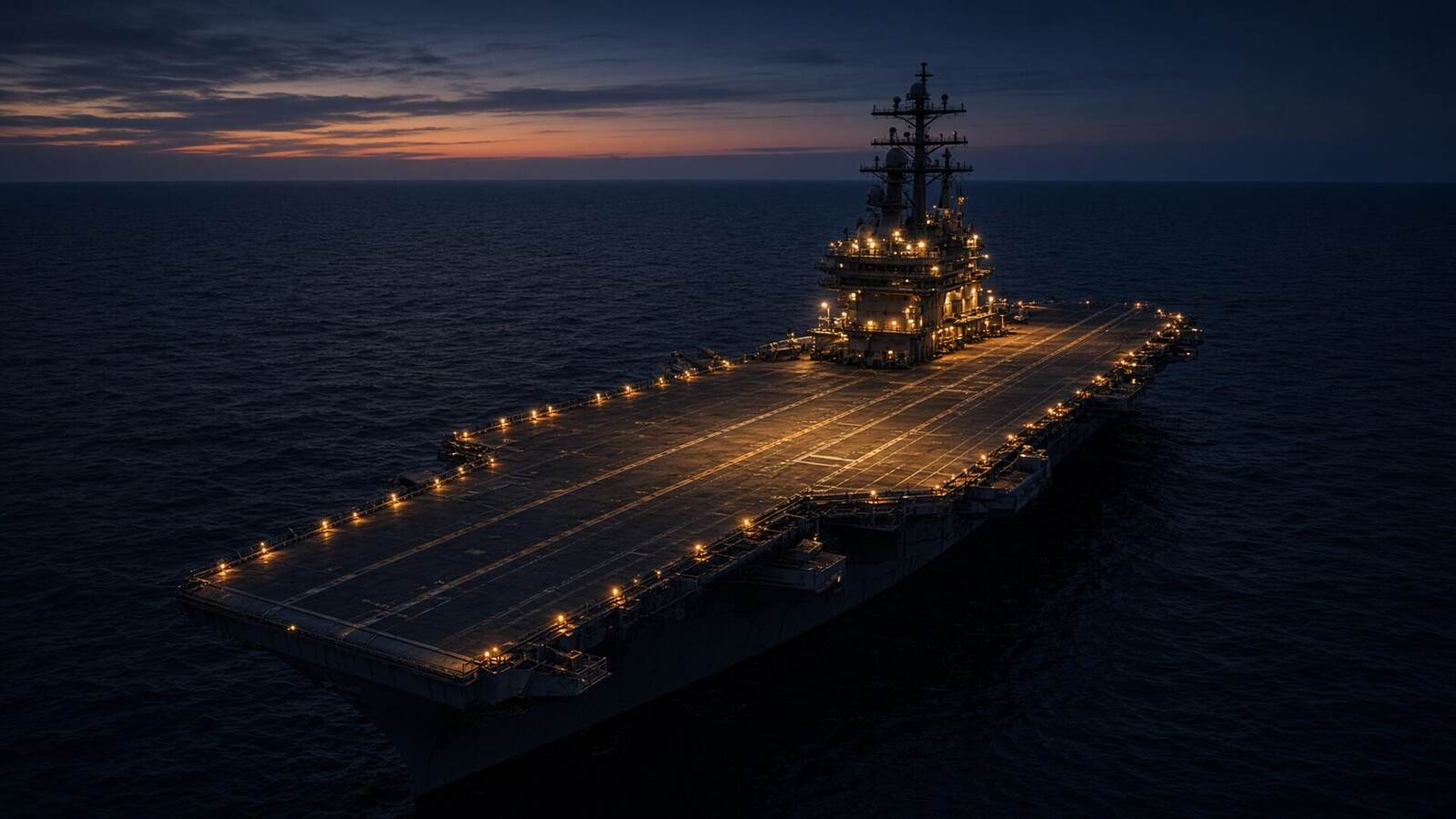
Warships add what commercial vessels never face: battle-damage reconfiguration, redundancy under fire, and acoustic discipline. Our interest is the ship's utility plant — electrical distribution, chilled water, auxiliary machinery — with automated casualty response that reroutes power and cooling faster than a damage-control team can reach the panel. High-level capability focus; platform specifics stay with the shipbuilder.
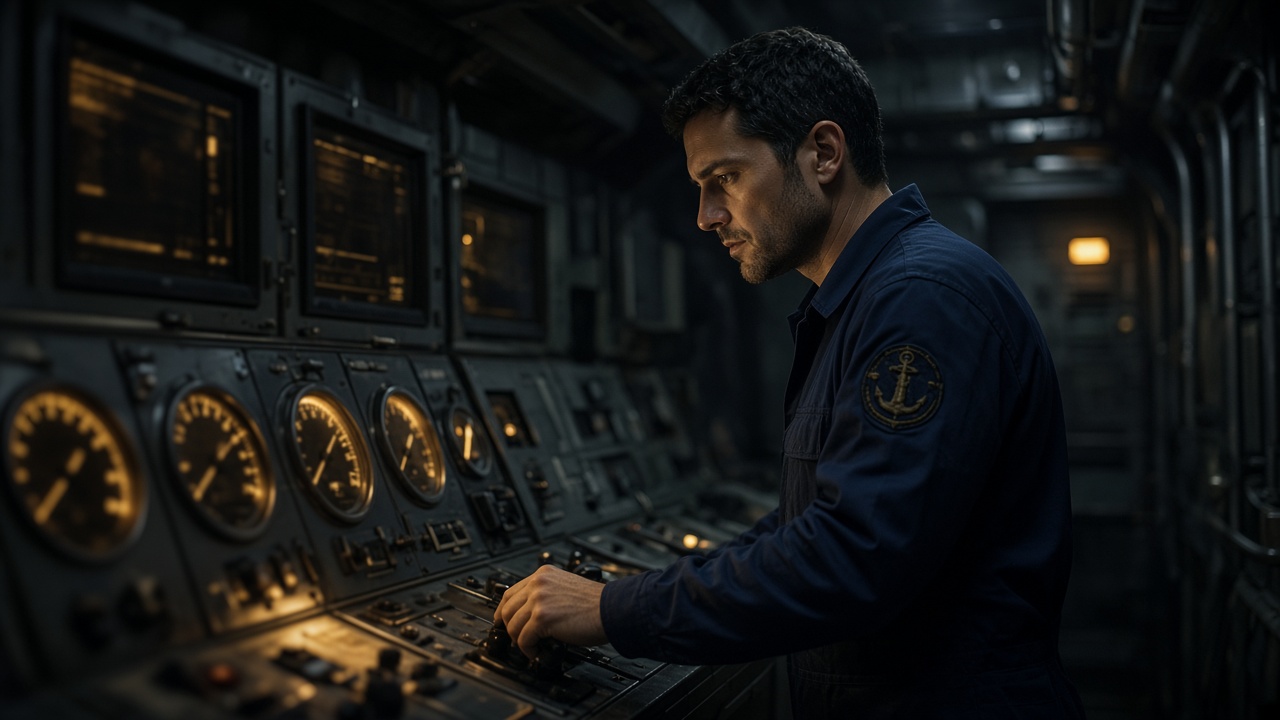
Self-contained by design
Our supervisory layer assumes no cloud, no vendor callback, no shore support. A ship is just the most honest version of that requirement.
Event-driven sensing
Vibration and acoustic anomaly detection at the sensor — the same neuromorphic research direction that watches our plant equipment watches shafts, bearings, and pumps at sea.
One crew-sized HUD
Engineering crews shrink every year. A Helm-style operator layer means fewer watchstanders supervising more systems with better judgment.
Take the plant to sea.
Operators, yards, and integrators — we are scoping first marine pilots now.
TALK MARINE → DEFENSE SENSING →